
Adelie Penguin
Antarctic colony; Tuxedo birds march, fastest underwater penguin swim

Amur Tiger
The Amur tiger is the world's largest cat—males reach 300 kg—and one of the most endangered, with only about 500 remaining in the wild. Cold temperate forests in Siberia and the Far East are their last stronghold. Selected for our World 100 as the rarest and most majestic big cat encounter on the planet.

Black Jaguar
Pantanal melanistic; same species as spotted, camera trap photography prize

Blue Whale
Sea of Cortez; largest animal ever, 190 tonnes, 30m, heart size car

Chimpanzee
Chimpanzees represent one of the most profound wildlife experiences on Earth—the legacy of Jane Goodall's 60-year study. Observing our closest relatives (98.7% shared DNA) in the wild reveals tool use, hunting parties, complex politics, and emotional bonds. Forested habitats in equatorial Africa offer opportunities to encounter habituated troops. Selected for our World 100 as the definitive primate encounter and a living link to our evolutionary past.

Emperor Penguin
Antarctic winter breeding; -60C dedication, huddle warmth, 115-day fast

Giant Armadillo
Cerrado burrow; 60cm carapace, critically endangered, night digger

Harpy Eagle
Amazon canopy; 2m wingspan, sloth monkey hunter, biggest eagle Americas

Iberian Lynx
Andujar Sierra; most endangered cat 400 remain, rabbit dependence, amber eyes

Mountain Gorilla
Volcanoes NP silver-backs; 99% human DNA, playful infants, knuckle walk

Narwhal
Hudson Bay Arctic; spiral ivory tusk 3m, canary of the sea call

Okapi
Congo forest; giraffe relative, tongue cleans eye, only in DRC reserves
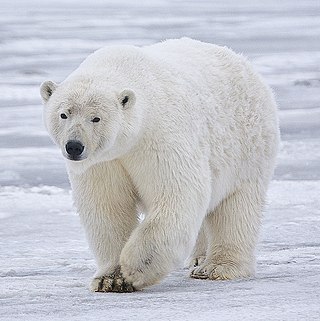
Polar Bear
Svalbard sea ice hunt; largest land carnivore, black skin under white fur

Pygmy Hippo
West Africa forest; nocturnal, secretive, solitary, critically endangered

Snow Leopard
Hemis NP Ladakh; most elusive big cat, Himalayan ghost, long tail balance
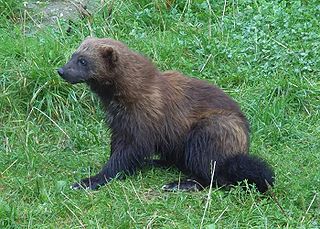
Wolverine
Scandinavia forest; most fearless animal, 15kg attacks moose, mustelid

African Crowned Eagle
Most powerful; kill prey 4x its weight, monkey hunter, elaborate display

African Wild Dog
Okavango pack; 80% hunt success rate, regurgitation share, endangered

Albatross
South Georgia colony; longest wingspan 3.7m, mate for life 60 years
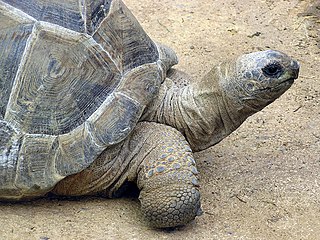
Aldabra Tortoise
Seychelles; second largest tortoise 250kg, 200 year lifespan candidates

Andean Condor
Torres del Paine thermals; 3.3m wingspan largest flying bird, 75 years

Asiatic Black Bear
Jirisan NP; conservation program, V-chest mark, bamboo shoots diet

Bengal Tiger
Ranthambhore lakes; ambush predator, territory 100km2, IUCN vulnerable

Black Cockatoo
Perth hills; rare Baudin's species, banksia seeds, slow decline

Blue-Ringed Octopus
Sydney rock pools; rings glow warning, venom kills 26 humans, no antidote

Bornean Orangutan
Semengoh sanctuary; 97% DNA human, tool use, oil palm crisis

Brown Bear
Kamchatka salmon river; 600kg salmon catch acrobatics, autumn fat-up
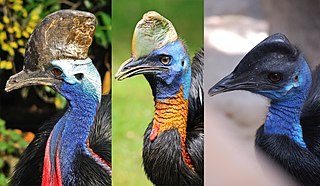
Cassowary
Daintree rainforest; most dangerous bird, 50mm dagger claw, casque helmet

Darwin's Finch
13 species beak shapes; evolution evidence Darwin 1835, tool use woodpecker

Eurasian Lynx
Swiss Jura; reintroduced 1971, tufted ears, snowshoe paws, roe deer

Galapagos Tortoise
150 years old; distinct subspecies each island, Darwin evolution evidence
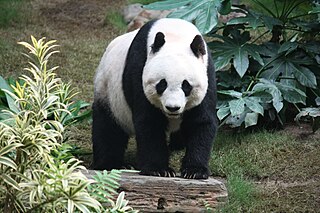
Giant Panda
Chengdu Research Base; bamboo-only diet, twin cubs, conservation icon

Golden Poison Frog
Pacific Colombia; 2cm deadliest animal on Earth, Embera people arrow tips

Golden Snub-nosed Monkey
The golden snub-nosed monkey is a blue-faced, golden-orange primate that lives in temperate mountain forests and survives -20°C winters at high altitude. These endangered monkeys live in troops of hundreds and are a conservation icon. Selected for our World 100 as one of Asia's most striking and rarely seen primates.

Gray Wolf
Yellowstone reintroduction 1995; changed rivers trophic cascade, howl territory

Great White Shark
Great white shark cage diving lets you encounter the ocean's 6-meter apex predator in its realm. These animals breach up to 4 meters, possess electroreceptive ampullae that detect prey, and represent 400 million years of evolution. The experience combines adrenaline with conservation education. Selected for our World 100 as the most accessible and responsible way to witness the planet's most iconic shark.

Green Anaconda
Amazon largest snake 9m, 250kg; ambush caiman, silent river predator
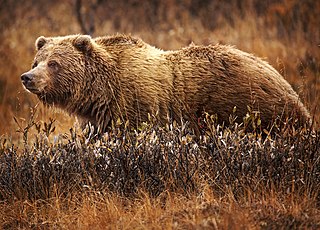
Grizzly Bear
Khutzeymateen salmon catch; 400kg, cubs play, fat-building before hibernate

Humpback Whale
Tonga Ha apai swimming; 40-tonne acrobat, bubble net feeding, song

Jaguar
Pantanal boat tours; swim, bite through turtle shells, apex predator

Komodo Dragon
Rinca and Komodo Islands; venomous saliva, 3m long, ambush antelope

Leopard
Sabi Sands nocturnal hunting; most adaptable big cat, tree hoisting kills

Lion's Mane Jellyfish
Arctic waters; tentacles 37m, largest invertebrate, ocean giants

Mandrill
Gabon Lopé NP; most colorful mammal, group 800 horde, male face status

Manta Ray
Hanifaru Bay feeding aggregations; wingspan 7m, brain-to-body ratio high

Marine Iguana
Galapagos only sea lizard; sneezes salt, swims 10m deep, solar basking
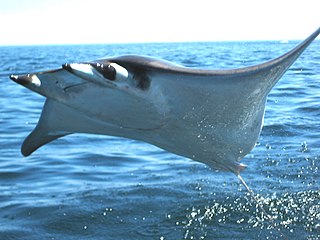
Mobula Ray
La Paz mass jumping; up to 10,000 gather, breach 2m above water
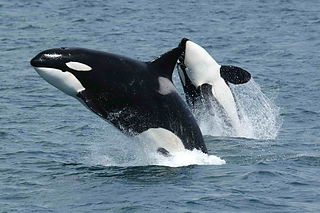
Orca
Andfjorden winter herring; cooperative pod hunting, matriarchal culture

Platypus
Eungella NP; electroreception bill, mammal lays eggs, venomous spur male

Pygmy Slow Loris
Vietnam forest; toxic bite, big eyes night, illegal pet trade pressure

Resplendent Quetzal
Cloud forest Guatemala; 1m tail, sacred Mayan bird, avocado disperser

Rhinoceros Hornbill
Borneo rainforest; casque amplifies call, fruit disperser, nest cement-seal

Saiga Antelope
Kazakhstan steppe; proboscis filter dust, 2015 mass die-off, recovery effort

Scalloped Hammerhead Shark
Schools of hundreds of scalloped hammerhead sharks are one of the world's most spectacular underwater phenomena. Their unique head shape provides 360° vision and electromagnetic prey detection. Drift dives through these aggregations are unforgettable in suitable Pacific and tropical waters. Selected for our World 100 as the definitive hammerhead encounter.

Shortfin Mako Shark
Azores pelagic; fastest shark 74km/h, leaps 6m, blue water encounters

Sperm Whale
Azores year-round; biggest toothed predator, dives 3km, clicks echolocate

Superb Lyrebird
Royal NP Sydney; mimics 20 species, chainsaw camera, 7 year tail grow

Tapir
Corcovado forest trails; gentle browser, 6000 year lineage, endangered

Tasmanian Devil
Healesville; facial tumour disease, strongest bite per body, night scavenger
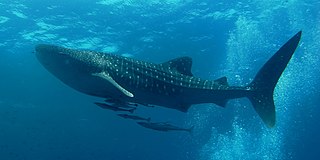
Whale Shark
Ningaloo Reef; largest fish 12m, filter feeder, gather March-July

African Elephant
Amboseli herds against Kilimanjaro backdrop; matriarch-led society

African Lion
Masai Mara prides; best seen at dawn, June-October Great Migration season
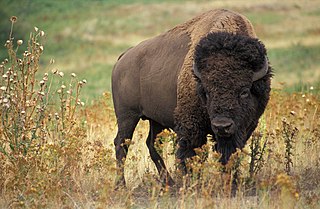
American Bison
Badlands herd; 30 million to 500,000; Yellowstone plains thundering hooves
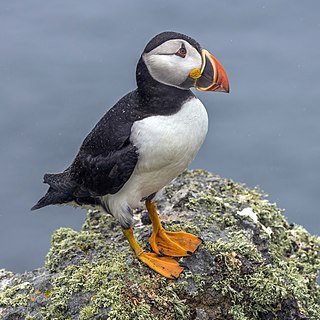
Atlantic Puffin
Atlantic puffins—the "clown of the sea" with their colorful beaks and comical gait—number around 60 million globally. These birds dive 60 meters for fish and can carry 10 sand eels at once. Summer breeding colonies in the North Atlantic offer close encounters. Selected for our World 100 as one of the most accessible and photogenic seabird experiences on Earth.
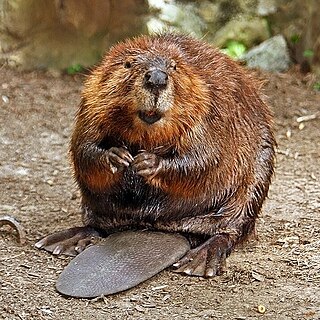
Beavers
Algonquin Park; dam engineers, night lodge builders, winter food cache

Black-tailed Prairie Dog
South Dakota towns; sentinel bark warning, kiss greeting, ecosystem keystone

Blue Morpho Butterfly
Costa Rica cloud forest; 20cm iridescent wings, 115 species rainforest

Cape Buffalo
The Cape buffalo is one of Africa's Big Five and among the most dangerous animals on the continent—unpredictable, social, and capable of charging at 57 km/h. Weighing up to 900 kg, these animals have killed more big-game hunters than any other African species. On savanna reserves they form herds of hundreds. Selected for our World 100 as the ultimate symbol of untamed African wilderness.

Capybara
Pantanal river banks; worlds largest rodent 65kg, sociable, herd 100

Cheetah
Worlds fastest land animal; Mara cubs seen with famous mother cheetahs

Clownfish
Great Barrier Reef anemone; protandrous hermaphrodite, Nemo inspiration
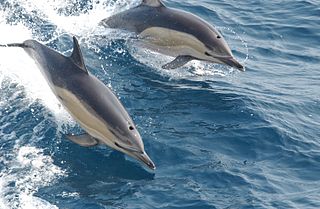
Common Dolphin
Algarve bow-riding; 1000 super-pod, acrobatic, common but fascinating shoal

Emu
Outback wanderer; 2m flightless, male broods eggs, 3-toed sprint 50km/h

Fennec Fox
The fennec fox is the world's smallest fox (1.5 kg) and a master of Sahara survival. Its enormous 15 cm ears radiate heat and detect prey underground; it hunts at night when the desert cools. Desert encounters reveal an elusive, adorable predator. Selected for our World 100 as the most charismatic desert mammal and a symbol of adaptation to extreme environments.

Galapagos Sea Lion
Fernandina Island; surf-riding, belly-rub rocks, pups curious about snorkelers

Gemsbok Oryx
Namib desert adapted; reflects sunlight, 45C body temp tolerance, sword horn

Giraffe
Tallest animal 5.5m; Maasai Giraffe endangered, tongue purple 45cm

Greater Flamingo
Lake Nakuru millions; pink from algae shrimp diet, running takeoff

Hippopotamus
Luangwa River at sunset; surprisingly fast, most dangerous African mammal

Impala
Amboseli herds; red-oat grass grazer, male harem fights, alarm sneeze

Indian One-horned Rhino
Kaziranga Assam; comeback from 200 to 3000, tallest grass meadow swim

Japanese Macaque
Jigokudani Snow Monkey; hot spring bathing, infant play, -15C survival
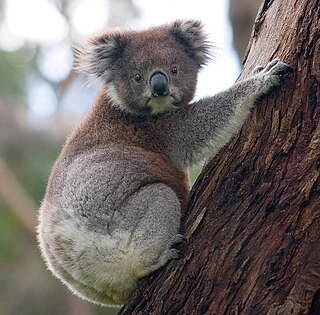
Koala
Kangaroo Island eucalyptus; sleeps 22hrs, fingerprint like human, toxic leaves

Long-snouted Spinner Dolphin
Baja 360 spins; pod 1000 synchronised jumps, tuna fishing net bycatch

Nile Crocodile
Grumeti River wildebeest crossing; 1000kg ambush, mothers carry young

Plains Zebra
Ngorongoro individual stripe patterns; lion confusion tactic, dust bath
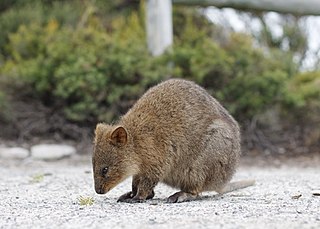
Quokka
Rottnest Island; happiest animal smiles, hop joey, tourists selfie spot
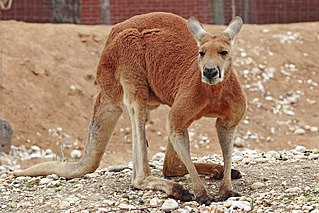
Red Kangaroo
Flinders Ranges mob; 70 km/h, joey pouch, sparring males, arid adapted

Reindeer
Svalbard migration; herd travel 5000km, velvet antlers, both sexes antlers

Sea Krait
Palawan coral reef; beautiful banded, highly venomous but docile, air breath

Sea Otter
Monterey Bay holding hands; tool-using, marine mammal conservation icon

Seahorse
Tubbataha Reef; only species where male pregnant, 1000 eggs, slow drift

Snowy Owl
Nunavut tundra; wingspan 1.6m, lemmings, Harry Potter Hedwig inspiration

Stingray
Lady Elliot Island; hundreds gather at cleaning stations, docile reef glide
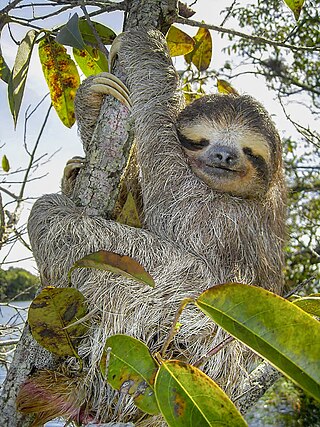
Three-toed Sloth
The three-toed sloth embodies a unique way of life: sleeping 20 hours daily, moving so slowly that algae grows in its fur (providing camouflage), and spending its life upside down. This arboreal mammal has evolved to conserve energy in nutrient-poor rainforest canopies in the Neotropics. Selected for our World 100 as one of the most charismatic and emblematic species of the Americas.

Tokay Gecko
Southeast Asia; loudest gecko call, medicinal trade pressure, bark camouflage
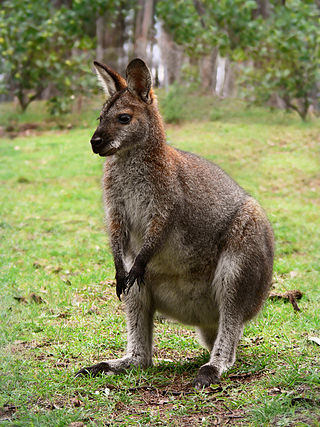
Wallaby
Grampians NP Victoria; red-necked species joey, kangaroo relative smaller

White Rhino
Kruger conservation success; 5-tonne tank grazers, mud wallow social

Wildebeest
Serengeti crossing; 1.5 million strong, Mara River crocodiles, July-October
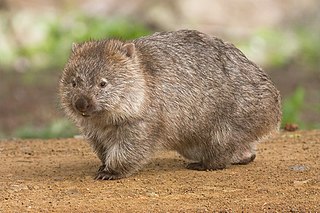
Wombat
Tasmania cube poos; backwards pouch, bulldozer burrow, koala relative
